A Comprehensive Guide to Injection Therapies in Functional Medicine
Understanding Injection Therapies
Injection therapies are a cornerstone of functional medicine, offering targeted treatment options for a variety of health conditions. These therapies involve the administration of substances directly into the body, bypassing the digestive system and ensuring rapid absorption. The goal is to address specific deficiencies and imbalances, promoting overall wellness.
Functional medicine focuses on identifying the root causes of disease, and injection therapies can be a vital tool in this approach. By delivering nutrients, medications, or other therapeutic agents directly to tissues, practitioners can provide immediate support to the body's systems.

Types of Injection Therapies
There are several types of injection therapies commonly used in functional medicine. These include:
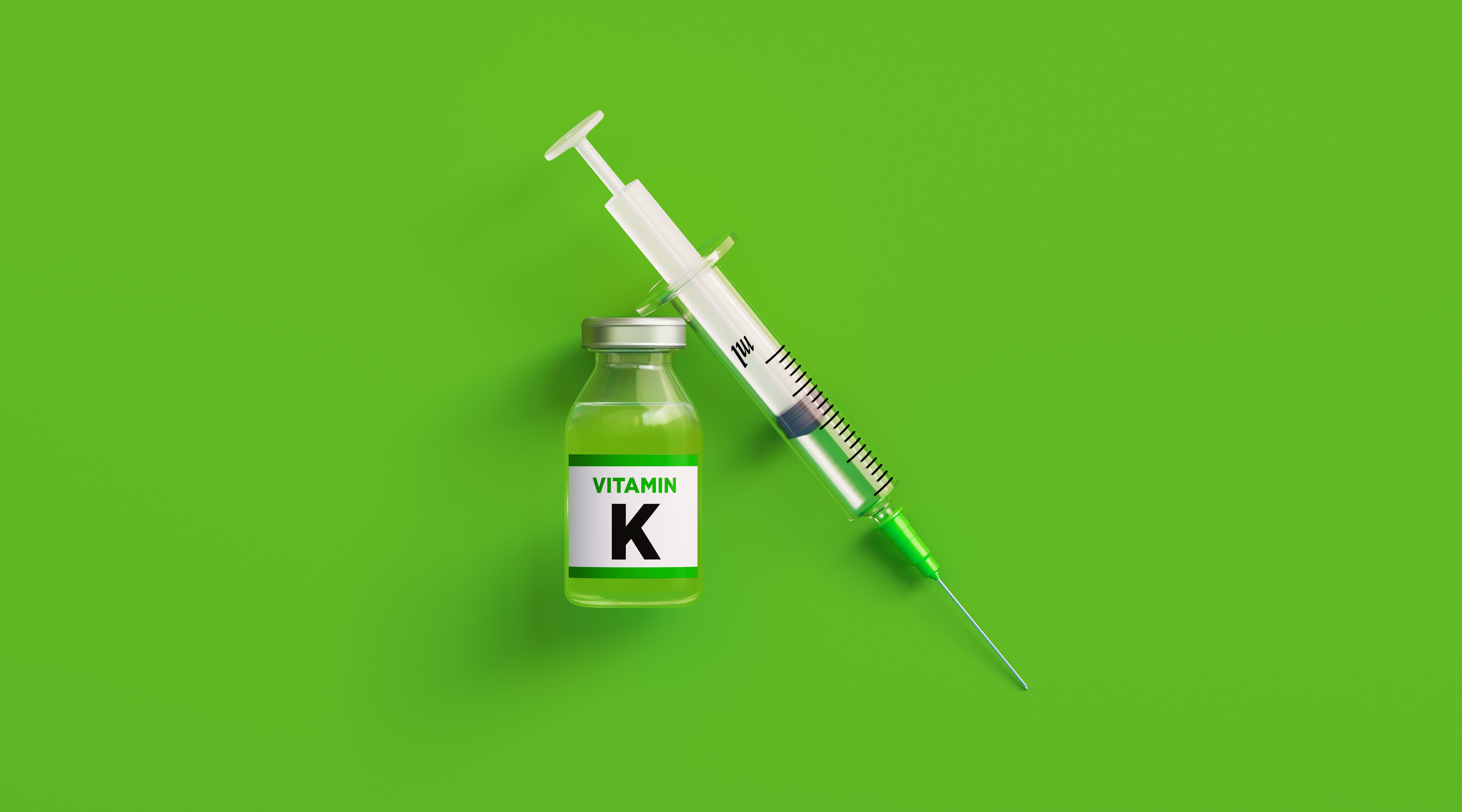
- Vitamin Injections: These are used to quickly replenish nutrient deficiencies. Common vitamins administered include B12, vitamin C, and vitamin D.
- Hormone Injections: Often used to balance hormones, these injections can address issues such as thyroid dysfunction or adrenal fatigue.
- Peptide Injections: These are used to support cellular communication and regeneration, often in anti-aging protocols.
Each type of injection therapy is tailored to the individual's needs, ensuring a personalized approach to health and wellness.
The Benefits of Injection Therapies
Injection therapies offer numerous benefits over traditional oral supplementation. One of the primary advantages is the enhanced absorption rate. When substances are injected, they bypass the digestive tract, avoiding potential breakdown or loss of potency.
Additionally, injection therapies can provide rapid relief from symptoms, making them particularly useful in acute situations. For example, vitamin C injections can quickly boost the immune system during times of stress or illness.

Safety and Considerations
While injection therapies are generally safe, they must be administered by qualified healthcare professionals. Proper assessment and monitoring are crucial to avoid potential complications and ensure the best outcomes.
Patients should discuss their medical history and current health status with their provider to determine the most appropriate therapies. It's also important to consider any allergies or sensitivities to the substances being injected.
Integrating Injection Therapies into a Wellness Plan
Injection therapies should be viewed as a component of a comprehensive wellness plan. In functional medicine, they are often combined with dietary modifications, lifestyle changes, and other treatments to achieve optimal health.
Collaboration between the patient and practitioner is key to designing an effective treatment strategy. Regular follow-up and adjustments may be necessary to align with the patient's evolving needs.

Injection therapies in functional medicine offer a powerful means to enhance health by addressing the specific needs of the body. Through careful assessment and personalized care, patients can experience significant improvements in their overall well-being.